
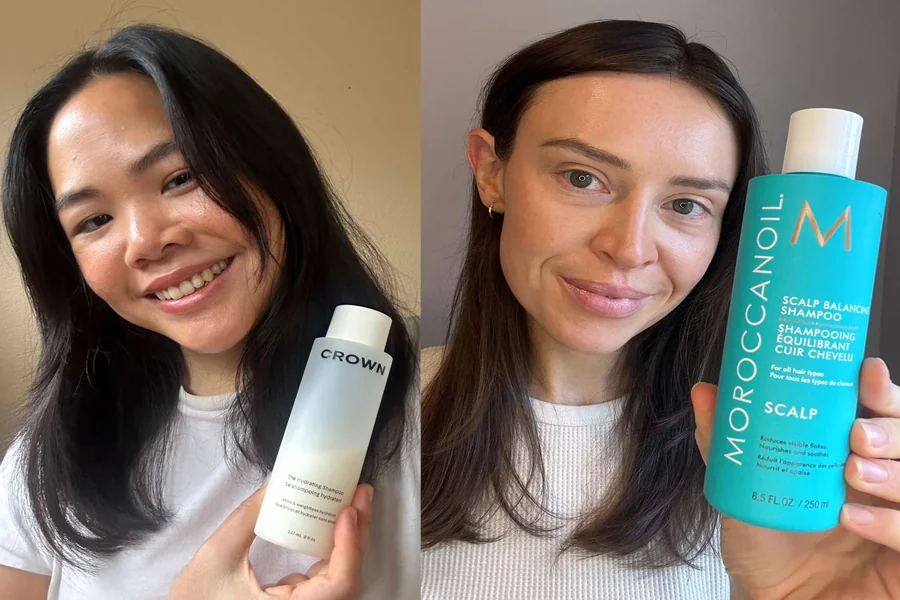
Dealing with a dry itchy scalp is genuinely frustrating. The constant urge to scratch the visible flakes on your shoulders and the discomfort that just never seems to go away can affect your confidence and daily comfort. Many people reach for medicated shampoos immediately but an organic shampoo for dry scalp can be just as effective for a lot of people while being much gentler on the skin. Organic formulas skip the harsh chemicals that often make scalp irritation worse in the long run and instead use plant-based ingredients that actually nourish and calm the scalp.
Why the Scalp Gets Dry in the First Place
Before choosing a shampoo it helps to understand why your scalp is dry. The most common cause is stripping your scalp’s natural oils too frequently with harsh shampoos. Sulfates in particular are very effective at removing oil which sounds good until you realize your scalp needs a certain amount of its own oil to stay healthy and moisturized. Cold weather low humidity indoor heating and hot showers also pull moisture from the scalp. Skin conditions like eczema psoriasis and seborrheic dermatitis can also cause dryness and flaking. An organic shampoo for dry scalp addresses the dryness and irritation without making any of these underlying issues worse.
Key Ingredients to Look for in Organic Scalp Shampoos
The ingredients list is everything when it comes to choosing an effective organic shampoo for dry scalp. Tea tree oil is one of the most well-known ingredients for scalp health because it has natural antifungal and antibacterial properties that address some of the underlying causes of flaking and itching. Aloe vera is incredibly soothing and helps calm inflammation while providing moisture. Peppermint oil stimulates the scalp and provides a cooling sensation that relieves itching. Argan oil and jojoba oil replenish moisture without clogging follicles. Chamomile extract is gentle and anti-inflammatory. Hemp seed oil nourishes the scalp with essential fatty acids that support the skin barrier.
What to Avoid in Shampoo Formulas
Knowing what to avoid is just as important as knowing what to look for. Sulfates like sodium lauryl sulfate and sodium laureth sulfate are the main cleansing agents in many conventional shampoos but they strip the scalp of essential moisture. Synthetic fragrances are a common source of scalp irritation and allergic reactions. Parabens and artificial preservatives can disrupt the skin microbiome over time. Silicones coat the hair shaft and scalp and can build up over time making it harder for moisture to get in. An organic shampoo for dry scalp should be free of all of these and instead use gentle plant-derived cleansers that respect the scalp’s natural ecosystem.
How Often Should You Wash a Dry Scalp
One of the most counterintuitive things about caring for a dry scalp is that washing less often often helps more than washing more. When you wash your hair every day you remove the natural oils that your scalp produces to protect and moisturize itself. Your scalp then compensates by producing even more oil and the cycle continues. Most people with dry scalps do better washing two to three times a week at most. Between washes you can use a dry shampoo if you need to refresh your roots. When you do wash use lukewarm rather than hot water because hot water is very drying to both the scalp and hair.
Top Organic Ingredients That Work for Dry Scalp Relief
Several plant-based ingredients have real clinical evidence behind them for scalp health. Piroctone olamine which comes from natural sources is effective against the fungus that causes dandruff. Salicylic acid derived from willow bark helps loosen and remove flakes gently. Zinc PCA is a naturally occurring mineral compound that helps regulate sebum production and reduces scalp irritation. Neem oil has powerful antifungal and anti-inflammatory properties that have been used in Ayurvedic medicine for scalp conditions for centuries. Rosemary extract improves scalp circulation and has antimicrobial benefits. Finding an organic shampoo for dry scalp that includes two or three of these ingredients gives you the best chance of real relief.
Scalp Treatments to Use Alongside Your Shampoo
A good organic shampoo is often not enough on its own for severe dry scalp. Adding a scalp oil or treatment serum used between washes can make a significant difference. Applying a few drops of diluted tea tree oil or rosemary oil mixed with a carrier oil like jojoba directly to the scalp and massaging it in gives moisture and antimicrobial benefits right where they are needed. Aloe vera gel applied to the scalp before washing is another effective home treatment that soothes itching and provides hydration. Scalp serums formulated with hyaluronic acid are newer products that bring deep hydration to the scalp skin itself.
Building a Consistent Scalp Care Routine
Consistency is what turns individual good choices into real long-term improvement. Choose your organic shampoo for dry scalp and stick with it for at least six to eight weeks before deciding if it is working. Pair it with a moisturizing conditioner that you apply from mid-lengths to ends only avoiding the scalp. Add a weekly scalp treatment or oil massage. Stay hydrated because your scalp skin responds to your overall hydration level just like the skin on your face. Protect your scalp from sun exposure and cold dry air. These combined habits create an environment where your scalp can genuinely heal and maintain its moisture balance.
Final Thought
Switching to an organic shampoo for dry scalp is one of the most impactful changes you can make for scalp health. The shift away from harsh sulfates synthetic fragrances and irritating chemicals toward gentle plant-based ingredients gives your scalp a chance to reset and heal. It may take a few weeks to see significant improvement because your scalp needs time to adjust. Be patient be consistent and pay attention to how your scalp responds. Most people who make this switch find that their dryness itching and flaking reduce dramatically within a month or two making it one of the most rewarding changes in their hair care routine.
FAQs
Q: Is organic shampoo effective for dandruff caused by a fungal condition? A: Yes if it contains tea tree oil piroctone olamine or neem oil which all have antifungal properties. Severe dandruff may still need a medicated shampoo prescribed by a dermatologist.
Q: Can I use organic shampoo on color-treated hair? A: Most organic shampoos are gentle enough for color-treated hair. Look for sulfate-free formulas specifically as they are less likely to fade color.
Q: How do I know if my dry scalp is dandruff or something more serious? A: If flaking is accompanied by significant redness thick patches or does not respond to gentle shampoos see a dermatologist. Conditions like psoriasis and seborrheic dermatitis need targeted treatment.
Q: Are organic shampoos more expensive than regular ones? A: Often yes but the price difference has reduced as demand has increased. Many affordable organic options are now available in drugstores and online.
Q: Can children use organic shampoo for dry scalp? A: Many organic shampoos are gentle enough for children but always check that the formula is specifically safe for kids and avoid strong essential oils like peppermint for very young children.
