
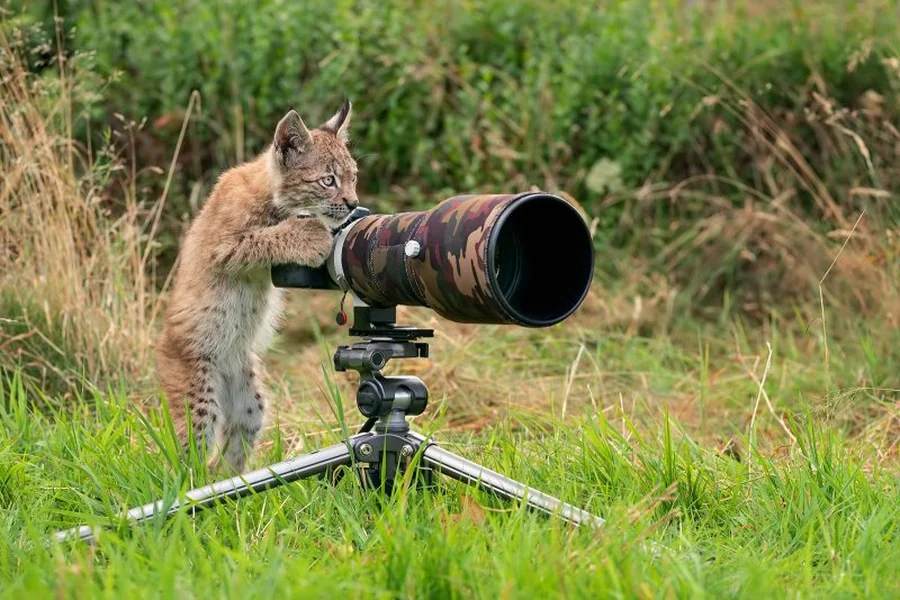
The Beauty of Wildlife Portraits
An animal portrait in nature offers a special way to appreciate wildlife. Instead of showing an animal only as part of a large landscape, a portrait brings attention to its face, eyes, body, textures, and individual character while keeping the natural environment visible.
Wildlife portraits can reveal details that are easily overlooked when animals are viewed from a distance. From the expressive eyes of a fox to the patterned coat of a leopard, every species has features that make it unique. Resources such as natureanimalhub can provide inspiration for people who enjoy wildlife photography and want to learn more about animals in natural settings.
The most meaningful portraits do not make wildlife appear staged. They capture animals behaving naturally, whether they are resting, feeding, watching their surroundings, or interacting with other members of their species. This combination of personality and habitat can turn a simple photograph into a memorable visual story.
What Makes a Natural Animal Portrait Special?
A strong wildlife portrait usually begins with observation. Photographers need to understand how an animal behaves before they can anticipate a good moment. Patience allows them to capture expressions and movements that may last only a few seconds.
The eyes are often the main focus of an animal portrait. A sharp view of the eyes can create a sense of connection between the viewer and the subject. Subtle details such as the direction of the gaze, position of the ears, or movement of the head can also communicate what an animal may be noticing around it.
Texture is another important element. Fur, feathers, scales, horns, whiskers, and skin can all add visual interest. Natural lighting can emphasize these details without making the image feel artificial.
Keeping the Natural Habitat in the Frame
Although a portrait focuses on the animal, its surroundings can add important context. A bird photographed among leaves, for example, immediately appears connected to a forest environment. A fox surrounded by tall grass tells a different story from one photographed against an empty background.
Including some habitat can also make an image more balanced. Trees, rocks, flowers, water, and grasses can act as natural framing elements around the subject. These details help show where the animal lives and how it interacts with the environment.
A wider composition may be particularly useful when the habitat is visually interesting. Mountain animals can be photographed against rocky slopes, while waterfowl may be shown with reflections on a lake. The setting becomes part of the story rather than simply serving as a backdrop.
Light, Timing, and Composition
Lighting can strongly influence the mood of a wildlife portrait. Soft light during the early morning or late afternoon can highlight facial details while producing gentle shadows. Cloudy weather can also create even lighting that brings out subtle textures.
Timing matters just as much. Animals may be more active during specific periods of the day, and photographers who understand these patterns have a better opportunity to capture natural behavior. A portrait of a deer looking toward a distant sound can feel much more engaging than a photograph taken while the animal is unaware of its surroundings.
Composition helps direct attention toward the subject. Photographers may leave open space in the direction an animal is looking or position the subject so that natural elements create a visual frame. Simple compositions often work well because they keep the focus on the animal without removing its connection to nature.
Different Subjects, Different Stories
Every animal can bring a different personality to a portrait. Mammals often provide opportunities to capture expressive faces, while birds can create portraits filled with intricate feather patterns and distinctive shapes.
Small creatures can be equally fascinating. Butterflies, frogs, insects, and reptiles may reveal remarkable details when photographed closely. Their colors, textures, and body structures can become the main visual attraction.
Young animals can also create powerful images because their behavior often includes curiosity and playfulness. However, photographers should take extra care around young wildlife because parents may become defensive if people approach too closely.
Responsible Wildlife Portrait Photography
Getting close to an animal should never mean physically approaching it. Wild creatures need space, and sudden movements or loud noises can cause unnecessary stress. A telephoto lens is often a useful tool because it allows photographers to create detailed portraits while remaining at a safe distance.
Wildlife photographers should follow local regulations and avoid entering restricted areas. They should never feed animals, use food to attract them, or interfere with natural behavior simply to create a better photograph.
Nesting sites, dens, and areas where animals are raising young require particular caution. Even a seemingly harmless disturbance can affect an animal’s behavior. Respecting these boundaries helps protect wildlife while allowing people to enjoy responsible photography.
Why Wildlife Portraits Matter
Animal portraits can do more than create attractive photographs. They can help people develop an emotional connection with species they may never encounter personally. A detailed image can make viewers notice the individuality of an animal and become more curious about its life.
Wildlife portraits can also support education and conservation awareness. When an image shows both the animal and its habitat, viewers can better understand that protecting a species also means protecting the environment it depends on.
These photographs can remind us that nature is made up of countless individual lives. From a powerful predator to a tiny woodland bird, every creature contributes to the complexity of an ecosystem.
Final Thought
An animal portrait in nature combines the character of wildlife with the beauty of its natural surroundings. The best portraits capture genuine moments without disturbing the subject, allowing viewers to appreciate an animal’s appearance, behavior, and environment.
With patience, thoughtful composition, suitable equipment, and respect for wildlife, photographers can create images that are both visually appealing and meaningful. A natural portrait can become more than a photograph—it can be a window into the remarkable world that exists beyond our everyday surroundings.
FAQs
What is an animal portrait in nature?
An animal portrait in nature is a wildlife photograph that focuses on an animal while keeping elements of its natural habitat visible.
What should be the main focus of a wildlife portrait?
The animal’s eyes, face, distinctive features, and natural behavior are often effective focal points for creating an engaging portrait.
What lens is useful for animal portraits?
A telephoto lens is commonly useful because it allows photographers to capture detailed images while maintaining a respectful distance from wildlife.
What lighting works well for wildlife portraits?
Soft natural light during early morning or late afternoon can provide gentle shadows and highlight details such as fur, feathers, and facial features.
How can photographers avoid disturbing animals?
Photographers should maintain a safe distance, avoid loud noises and sudden movements, follow local rules, and never interfere with feeding, nesting, or parenting behavior.
