
Introduction
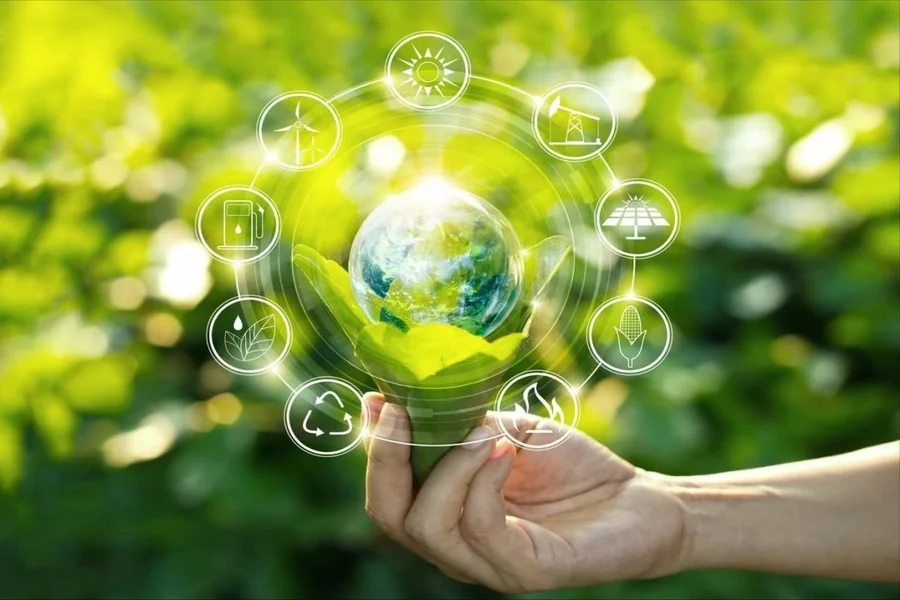
Technology plays an important role in addressing environmental challenges. As communities face climate change, pollution, resource shortages, and rising energy demands, innovative solutions are becoming increasingly important. Green Technology Innovations are helping businesses, governments, and individuals reduce environmental impact while improving efficiency and supporting economic growth. From renewable energy systems to smarter buildings, these developments are changing how society produces electricity, uses resources, and manages waste.
The shift toward cleaner technology is not limited to scientists or large corporations. Everyday consumers are also influencing progress through their purchasing decisions, energy habits, and interest in sustainable products. Lifestyle and technology publications such as themeasuremagazine can help readers stay informed about changing trends and ideas that shape modern living. Understanding these developments makes it easier to recognize how innovation can contribute to a healthier and more resource-efficient future.
Renewable Energy and Smarter Power Systems
Renewable energy is one of the most important areas of environmental technology. Solar panels, wind turbines, hydropower systems, and geothermal energy solutions generate electricity from naturally replenished sources. Unlike traditional fossil fuels, these technologies can produce power with significantly lower greenhouse gas emissions during operation. As equipment improves and production costs become more competitive, renewable energy is becoming an increasingly practical option for homes, businesses, and public infrastructure.
Energy storage is also essential to the transition. Solar and wind generation can vary depending on weather conditions and time of day. Modern battery systems help store excess electricity and release it when production falls or demand increases. Smart grids add another layer of efficiency by using digital monitoring and automated controls to balance electricity supply and demand. Together, these systems can make energy networks more flexible, reliable, and capable of supporting cleaner power sources.
Electric Transportation and Sustainable Mobility
Transportation is a major contributor to global carbon emissions, making cleaner mobility technologies especially valuable. Electric vehicles use rechargeable batteries rather than conventional internal combustion engines, reducing direct exhaust emissions. Improvements in battery capacity, charging speed, and vehicle efficiency are making electric cars, buses, motorcycles, and delivery vehicles more practical for everyday use.
Charging infrastructure is expanding alongside vehicle technology. Public charging stations, workplace facilities, and home charging equipment give drivers more opportunities to recharge conveniently. Electric public transportation can also help cities reduce traffic-related pollution while improving the quality of urban air. However, the environmental benefits of electric vehicles depend partly on how their electricity is generated and how batteries are manufactured and recycled.
Other sustainable mobility solutions are important too. Bicycle-sharing programs, electric bicycles, improved public transit, and pedestrian-friendly urban planning can reduce dependence on private cars. Combining these approaches creates transportation systems that are cleaner, more accessible, and better suited to growing communities.
Smart Buildings and Energy-Efficient Homes
Buildings consume substantial amounts of electricity and other resources, so improving their efficiency can make a significant environmental difference. Smart building technology uses sensors, connected devices, and automated systems to manage lighting, heating, cooling, and ventilation. These systems can adjust energy use according to occupancy, indoor conditions, and user preferences instead of operating at full capacity throughout the day.
Energy-efficient appliances and lighting also contribute to greener homes. LED bulbs use less electricity than traditional incandescent lighting, while modern refrigerators, air conditioners, and washing machines can deliver better performance with lower energy consumption. Smart thermostats help manage indoor temperatures and reduce unnecessary heating or cooling when rooms are empty.
Building materials are changing as well. Recycled steel, responsibly sourced timber, low-emission insulation, and other sustainable materials can reduce the environmental impact of construction. Green roofs and walls may improve insulation, manage rainwater, and provide additional urban greenery. When these features are planned carefully, buildings can become more comfortable while requiring fewer resources to operate.
Waste Management and Circular Economy Solutions
Traditional production often follows a linear pattern: raw materials are extracted, products are manufactured, and unwanted items are discarded. Green technology supports a circular economy in which materials remain useful for as long as possible through repair, reuse, refurbishment, and recycling. This approach can reduce landfill waste and limit the need to extract new natural resources.
Advanced sorting equipment is improving recycling processes. Optical sensors, robotics, and artificial intelligence can identify different materials and separate them more efficiently. These technologies help recycling facilities process larger volumes while improving the quality of recovered materials. Digital tracking systems can also help businesses understand where products and materials come from and how they can be reused.
Innovations in packaging are another important development. Compostable materials, reusable containers, and packaging made from agricultural by-products may provide alternatives to conventional plastics in suitable applications. However, these products must be disposed of correctly to deliver their intended benefits. Better waste collection systems and clear consumer guidance are therefore just as important as new materials.
Artificial Intelligence and Environmental Monitoring
Digital technology is helping researchers and organizations understand environmental conditions more accurately. Artificial intelligence can analyze large datasets from satellites, sensors, weather stations, and industrial equipment. These insights can support early warnings for extreme weather, identify pollution patterns, and improve the management of natural resources.
In agriculture, smart sensors can measure soil moisture, temperature, and nutrient levels. Farmers can use this information to apply water and fertilizers more precisely, reducing waste and limiting unnecessary environmental damage. AI-powered systems can also help predict crop diseases and improve harvest planning.
Environmental monitoring tools are useful in cities and industrial areas as well. Air-quality sensors can identify pollution hotspots, while water-monitoring systems can detect changes that may indicate contamination. At the same time, digital technology requires electricity and physical equipment, so its own environmental footprint must be considered. Efficient hardware, renewable electricity, and responsible electronic recycling help make these solutions more sustainable.
Final Thought
Green technology is creating practical opportunities to protect natural resources while improving the way people live and work. Renewable energy, electric transportation, efficient buildings, circular production, and intelligent environmental monitoring each contribute to a more sustainable future. No single invention can solve every environmental challenge, but combining different solutions can produce meaningful progress.
The next stage of development will depend on investment, responsible planning, public awareness, and access to reliable technology. Governments can support cleaner infrastructure, businesses can improve production methods, and individuals can make informed choices about energy and consumption. With continued innovation and responsible use, environmental technology can help build communities that are more efficient, resilient, and prepared for future challenges.
FAQs
What are green technology innovations?
Green technology innovations are products, systems, and processes designed to reduce environmental harm, conserve resources, improve energy efficiency, and support sustainable development.
What are some examples of green technology?
Examples include solar panels, wind turbines, electric vehicles, smart thermostats, energy-efficient appliances, battery storage, and advanced recycling systems.
How does green technology help reduce climate change?
It can lower greenhouse gas emissions by replacing fossil fuels, improving energy efficiency, reducing waste, and supporting cleaner transportation and industrial processes.
Why is renewable energy important for a sustainable future?
Renewable energy comes from naturally replenished sources and can reduce dependence on fossil fuels while providing cleaner electricity for homes, businesses, and communities.
How does artificial intelligence support environmental protection?
Artificial intelligence analyzes environmental data to monitor pollution, improve energy management, support precision agriculture, and help researchers identify environmental risks.
Can green technology save businesses money?
Yes. Energy-efficient equipment, renewable power systems, and improved resource management can reduce operating costs over time, although initial installation expenses may vary.
What challenges affect the adoption of green technology?
Common challenges include high upfront costs, limited infrastructure, access to materials, technical skills, battery recycling, and differences in government policies and incentives.
